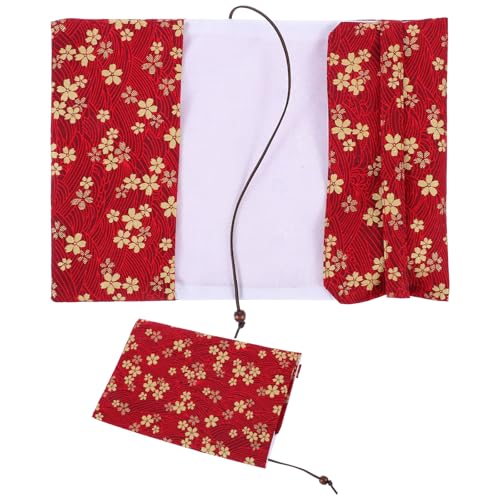
preserving the soul of your beloved books with care
Books are not merely collections of words; they are portals to different worlds and vessels of memories. Whether it is a cherished novel from your childhood or a rare first edition, preserving the soul of your beloved books is a noble endeavour. As we navigate through 2026, it is essential to equip ourselves with the knowledge to care for these precious items that have the power to transport us through time and space.
Understanding book anatomy
Before diving into preservation techniques, it is vital to understand the basic structure of a book. A book typically consists of a cover, spine, pages, and sometimes additional elements such as dust jackets and illustrations. Each part plays a critical role in the book's integrity and overall aesthetic. Knowing how these components work together allows you to provide appropriate care and maintenance.
Environmental factors
The environment in which you store your books has a significant impact on their longevity. Books should ideally be kept in a cool, dry place away from direct sunlight. Fluctuations in temperature and humidity can lead to warping and mould growth. A stable environment with a temperature between 15 to 20 degrees Celsius and humidity levels around 40 to 50 percent is optimal. Using a hygrometer can help you monitor these conditions accurately.
People Also Look For:
- End Game: The ultimate race against time is about to begin in the explosive new thriller from the Sunday Times bestselling author ...
- The Picture of Dorian Gray (Dover Thrift Editions: Classic Novels)
- Children of Time: Winner of the Arthur C. Clarke Award for Best Science Fiction Novel (The Children of Time Novels)
- Restoration of costume images and cultural interpretation of characters in modern Chinese citizen novels(Chinese Edition)
- GLOBLELAND Beige Flowers Book Cloth Covers for Paperback with Ribbon Dandelion Plants Washable Soft Fabric A5 Cover for 8.6x5.5inc...
Proper shelving techniques
How you store your books can enhance or hinder their lifespan. Avoid cramming books onto shelves, as this can cause spines to bend and pages to tear. Instead, ensure that they are standing upright with adequate space in between to breathe. If you have oversized books, consider laying them flat, as this reduces stress on the spine. Additionally, using bookends can help maintain the structure of your collection and prevent them from leaning.
Cleaning your books
Dirt and dust can accumulate on books over time, but cleaning them requires a gentle approach. Use a soft, dry cloth or a soft-bristled brush to remove dust from covers and spines. For pages, a gentle blow can help dislodge dust without causing damage. If you encounter stubborn stains, it is advisable to consult a professional conservator to avoid accidental harm.
Handling with care
Books should always be handled with clean hands to prevent oils and dirt from transferring onto the pages. When reading, avoid bending the spine excessively; instead, cradle the book gently and use a book holder if necessary. If you are dealing with a fragile book, consider using gloves to prevent any accidental tearing or smudging.
Repairing damaged books
Over time, even the most cared-for books may suffer from wear and tear. Small tears can be repaired using acid-free tape or Japanese tissue paper and wheat starch paste, which is gentle on paper. For more serious issues, such as a detached cover or loose pages, it is best to consult with a professional bookbinder. Attempting complex repairs without expertise can lead to further damage.
Using protective covers
Protective covers can serve as a first line of defence against dust and moisture. For valuable or frequently read books, consider investing in archival-quality covers that are acid-free and designed to protect against yellowing and degradation. Dust jackets, if available, should also be preserved in protective sleeves to maintain their condition.
Emotional connection and storytelling
Finally, remember that a book is not just an object; it holds memories and emotions. Every crease, note, and stain tells a story. While it is essential to care for your books physically, do not lose sight of the connection you share with them. Enjoy the process of reading and interacting with your books, for it is this relationship that gives them their soul.